
Attaining a top GMAT Quant score is a pivotal element of a competitive business school application. Scoring between 50 and 51 places you in the upper echelon of test-takers, showcasing your exceptional quantitative abilities to admissions committees. This article lays out an 8-step plan to elevate your GMAT Quant score to those coveted heights.
Understanding the GMAT Quant Section
The Quantitative section of the GMAT is designed to assess your ability to analyze data and draw conclusions using reasoning skills. Scoring well requires not only mathematical prowess but also strategic thinking and time management.
Step 1: Assess Your Current Level
Before embarking on a study plan, take a practice test to determine your baseline. Understanding your strengths and weaknesses will help you focus your study efforts more effectively.
Step 2: Master the Fundamentals
Solidify your grasp on fundamental quantitative concepts before moving on to more complex problems. A strong foundation is essential for tackling the harder questions that are typical of a score above 50.
Step 3: Tackle Advanced Quant Topics

Once the basics are in place, focus on high-difficulty topics that are likely to appear on the test. Learning to navigate these tricky subjects is key to achieving a top score.
Step 4: Employ Strategic Study Resources
Utilize quality study materials that contain a wealth of practice questions and detailed explanations. The right resources can make a significant difference in your preparation.
Step 5: Prioritize Time Management
Efficiently managing your time during the exam is crucial. Develop techniques to quickly identify and tackle the most doable problems to maximize your score.
Step 6: Analyze Practice Test Results
After completing each practice test, thoroughly review your answers. Understanding why you got a question wrong is often more important than the question itself.
Step 7: Develop a Test-Taking Strategy
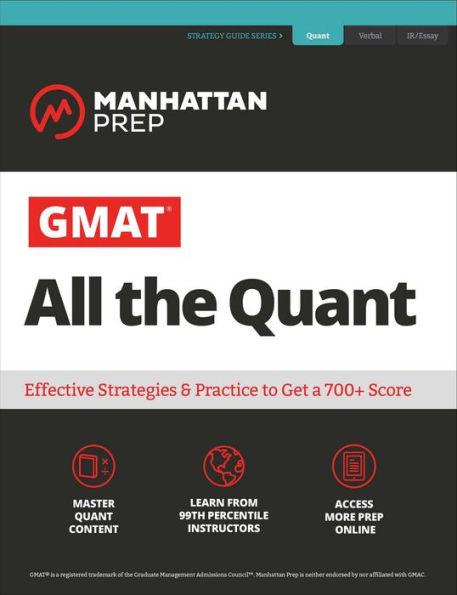
Create a personalized strategy for the test day that works for you, keeping in mind how you will approach each section and manage stress and fatigue.
Step 8: Simulate Real Test Conditions
Regularly practice under conditions that mimic the actual GMAT to get accustomed to the test's format and time constraints.
Comparative Measurements: GMAT, GRE, LSAT, and IQ
In the broader landscape of standardized tests and assessments such as the GRE, LSAT, and even estimations of IQ, GMAT scores provide specific predictive insights into an individual's potential success in graduate management education. While curiosity might lead some to draw connections between these various scores and intellectual capacity, it's important to recognize that each test serves a unique purpose and is tailored to assess specific forms of reasoning and knowledge.
From GMAT to GRE and Beyond
For those considering a range of graduate programs, understanding the conversion between GMAT and GRE scores can help in determining eligibility and preparation needs for different fields of study.
Dispelling Myths: GMAT, LSAT, and IQ
While fascinating, the comparison between GMAT scores and LSAT results or attempting to correlate these scores with IQ levels is a challenging endeavor. These Tests are designed with specific objectives in mind, and their scores are not directly interchangeable or indicative of innate intelligence.
Achieving Excellence
In closing, reaching a score of 50 to 51 in the GMAT Quantitative section is a demanding yet attainable goal. By following the structured approach outlined in these eight steps and understanding the test’s place within the broader context of standardized assessments, you can enhance your prep and put forward the strongest application possible.
New York
- Kimpton Hotel Theta
- Hotel Hendricks
- New York Hilton Midtown
- Coda Williamsburg
- Soho Grand Hotel
- Hyatt Centric Wall Street
Cancun
- Hotel Riu Palace Kukulkan
- Hyatt Ziva Riviera Cancun
- Secrets Playa Mujeres
- Garza Blanca Cancun
- Trs Coral Hotel