
Graduate Management Admission Test, or GMAT, is a significant benchmark for students aiming to get into prestigious business schools worldwide. A high GMAT score is indicative of a candidate's analytical, writing, quantitative, verbal, and reading skills in the context of business and management. Let's delve into what constitutes a good GMAT score and how it can influence a student's higher education journey.
What Constitutes a Good GMAT Score?
A good GMAT score is usually one that is significantly higher than the average score of enrolled students in the business school a candidate is aiming for. Typically, a score of 650 or more is highly regarded, with the top-tier business programs often expecting scores of 700 and above. However, it's imperative to understand the scoring system to set realistic and strategic score goals.
GMAT Scoring System Explained
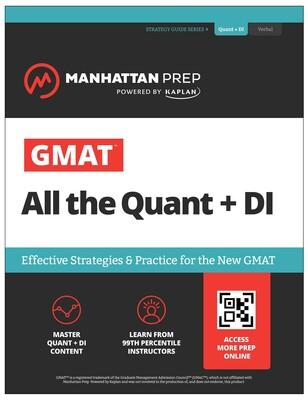
GMAT is divided into four sections: Analytical Writing Assessment, Integrated Reasoning, Quantitative, and Verbal. Each section has its own scale of scoring, and these are eventually combined into a total score that ranges from 200 to 800. GMAT scores are calculated using a complex algorithm that takes into account the difficulty level of questions and the number of correct answers.
Impact on Educational Advancement
Achieving a high GMAT score is a stepping stone for admission into esteemed business schools. It's not just about the score itself, but what it represents – a student's readiness for the rigorous academic environment of an MBA program. Furthermore, a strong GMAT score can be a differentiator in a pool of competitive applicants, potentially leading to scholarship opportunities and better career prospects post-graduation.
The GMAT Capsule Examine Methodology

Effective GMAT preparation involves strategic study methods, often referred to as the 'GMAT Capsule Study Methodology'. This approach includes focused study plans, understanding the format and timing of the test, practicing with realistic questions, and going through thorough reviews of each section. Such a targeted study regime helps aspirants in maximizing their scoring potential.
College Self-Evaluation and Improvement Strategies
Colleges often suggest that students perform a self-evaluation to identify their strengths and weaknesses. This approach allows for targeted improvement, especially in weaker areas which, if addressed, can lead to significant increases in the overall GMAT score. Implementing improvement strategies based on self-assessment can be crucial for students aiming for a high score.
Tips for GMAT Preparation
- Understand the fundamental concepts of each GMAT section.
- Develop a personalized study plan and stick to it rigorously.
- Practice with official GMAT resources and mock examinations.
- Focus on time management and test-taking strategies.
- Review each practice test in detail to understand errors and correct them.
Conclusion
While a good GMAT score is subjective and varies across different business schools, aiming for a score within the top percentiles can significantly enhance a student's chances of admission into top programs. It is a testament to one's dedication, intellectual capacity, and suitability for the demanding nature of an MBA curriculum. Through dedicated study, strategic preparation, and a keen understanding of the scoring process, students can realize their GMAT potential and set a strong foundation for their future in business leadership.